
Panel Members
Our panel members and chairs are carefully selected through an open call. Each individual is chosen for their professional experience, commitment to fairness, and alignment with our values. This page offers insight into the people who guide and uphold the standards of our work, reflecting our dedication to transparent and trustworthy decision-making.
This page is regularly updated to reflect our current panel members and chairs. While we aim to include all active members, some individuals have chosen not to be listed publicly in respect of their privacy. New members are added as they join, ensuring the information remains current and representative of our team.
Please note that the information on this page is publicly available for the sake of transparency. It is not appropriate or ethical to contact any IREC panel member directly regarding your project or application.
Hannah Griffin-James (PANEL CHAIR)
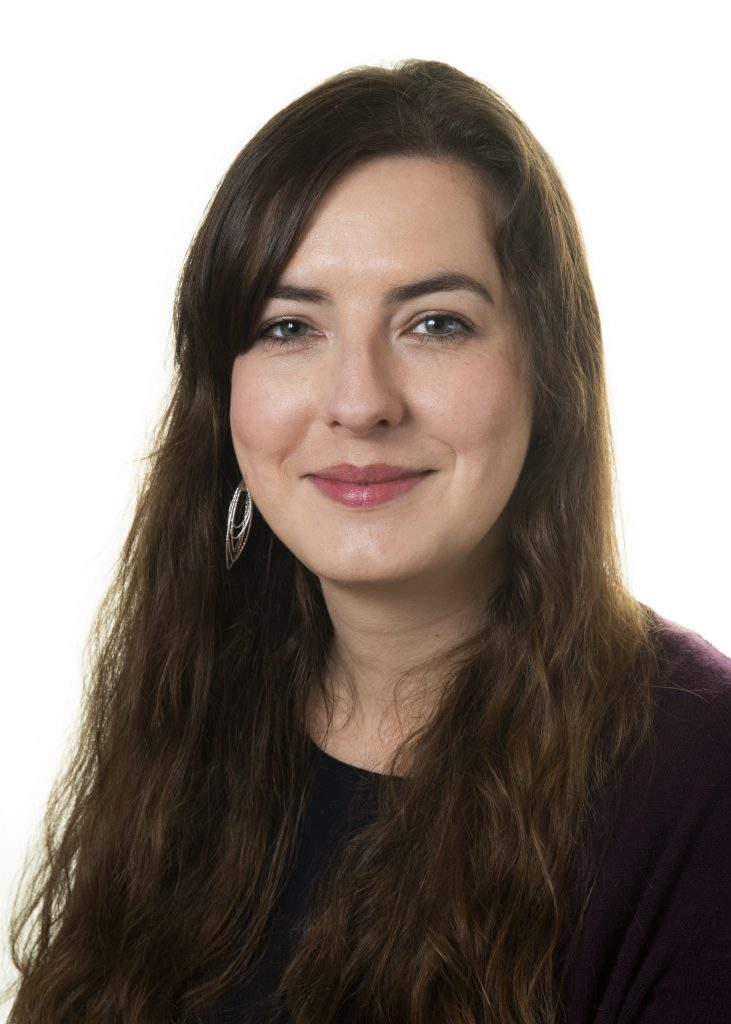
Dr Hannah Griffin-James is a leading expert in equitable and inclusive evaluation, specializing in impact measurement for social change initiatives. With a background in statistical analysis and a PhD in inclusive education, she transforms complex data into clear, actionable insights. Hannah has worked with charities, programme leads, and policymakers, ensuring evaluations are rigorous, meaningful, and accessible. She is known for her compassionate, strategic approach, helping organizations align their metrics with real impact. A trusted partner in the sector, she delivers evidence that not only demonstrates success but also drives systemic change.
Helen Kara (PANEL CHAIR)
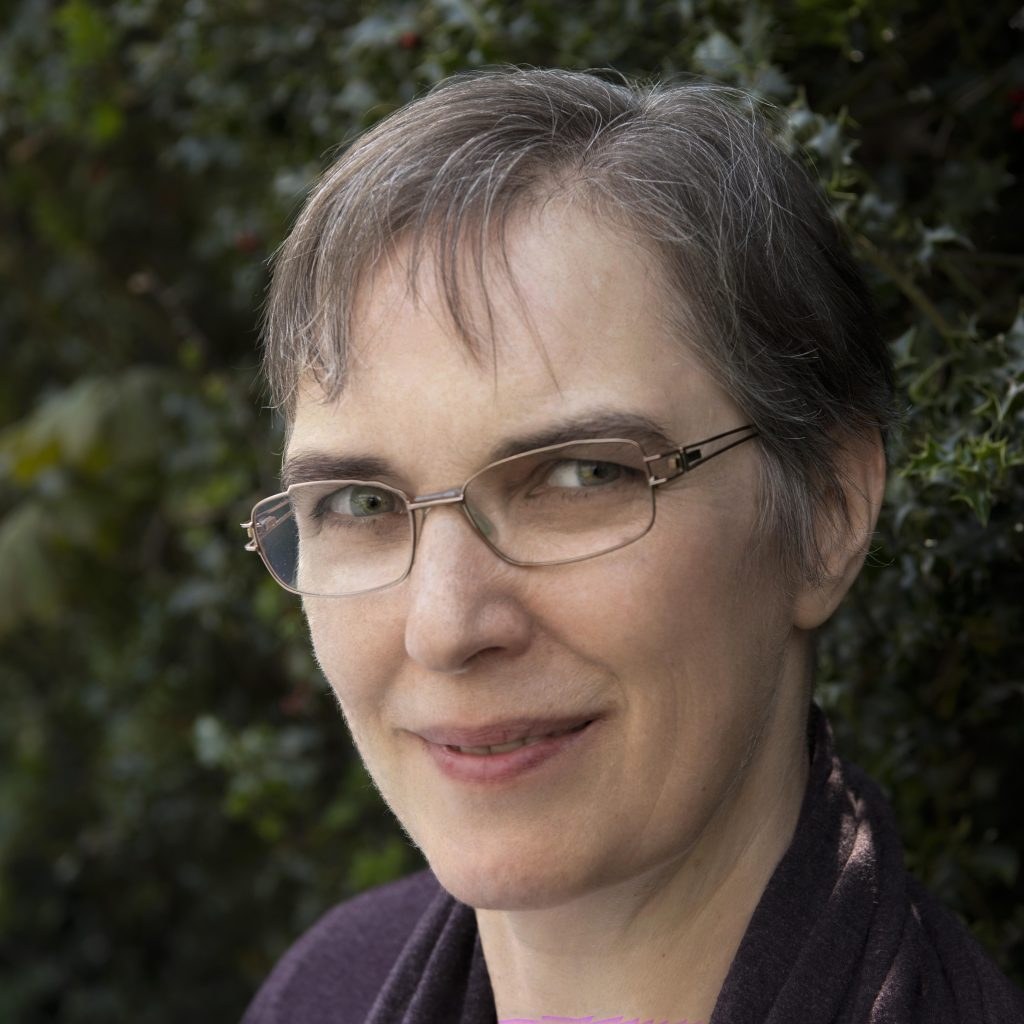
Helen Kara is a researcher, author, teacher, and speaker specialising in creative research methods, radical research ethics, and creative academic writing. She is also the founder of IREC. Her books include Research Ethics in the Real World: Euro-Western and Indigenous Perspectives (2018), Creative Research Methods: A Practical Guide (2nd edn 2020), Qualitative Research for Quantitative Researchers (2022), the Handbook of Creative Data Analysis (2024) and Writing Creatively for Work or Study: Easy Techniques to Engage Your Readers (2025).
Lidia Salvatori (PANEL CHAIR)
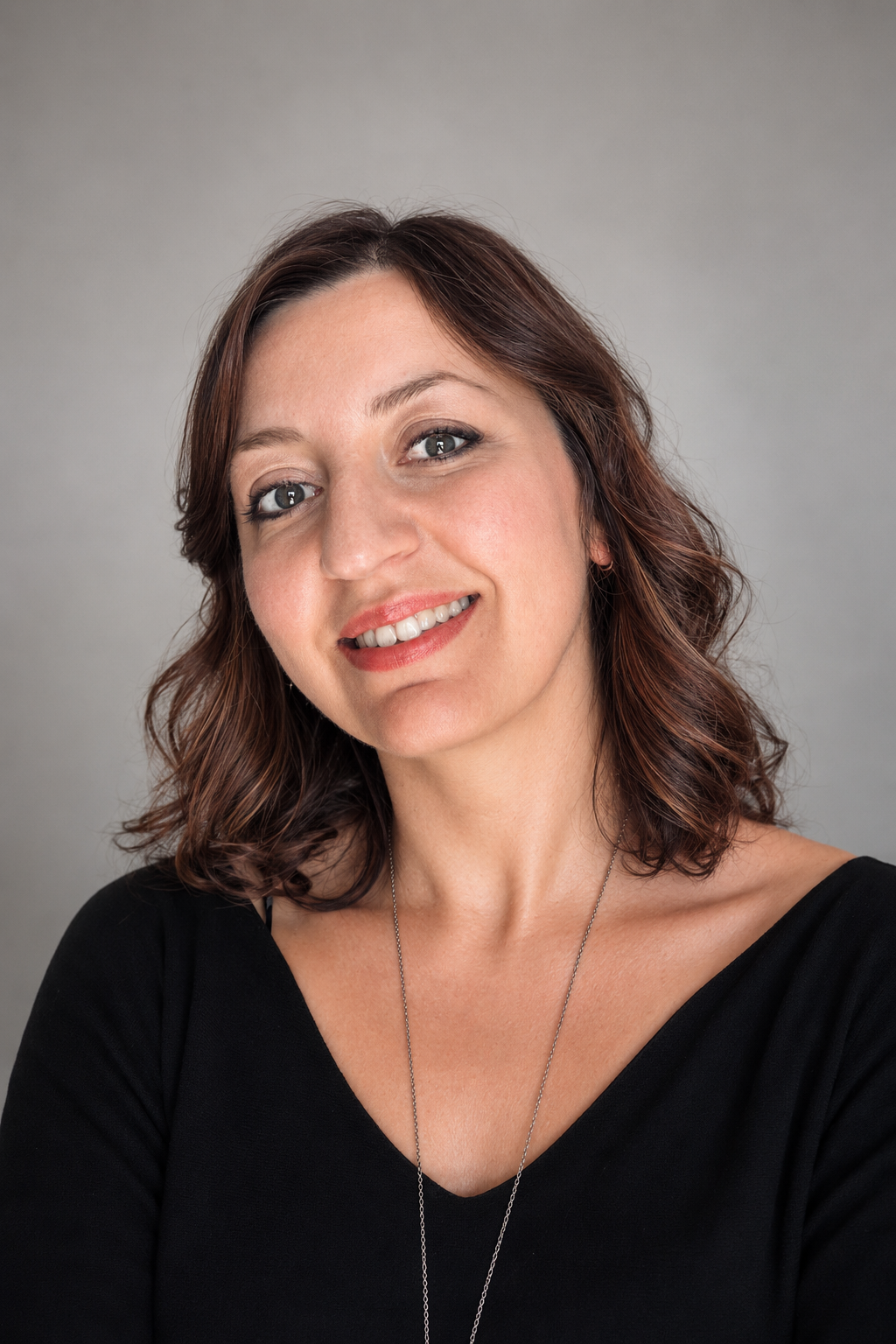
Lidia Salvatori is a postdoctoral researcher and lecturer in sociology of communication at the Università della Svizzera italiana (Switzerland). Her research travels across gender, media and social movements studies to analyse how transnational feminist and LGBTQ+ activists mobilise digital tools to denounce gender-based violence, organise collective action, and build communities of care across borders. Her current research explores how generative AI is understood and mobilised in the contested terrain of gender politics. Alongside her focus on gender equity, she has developed expertise in health communication and social determinants research, and taught research methods and research ethics.
Linda Baines (PANEL CHAIR)
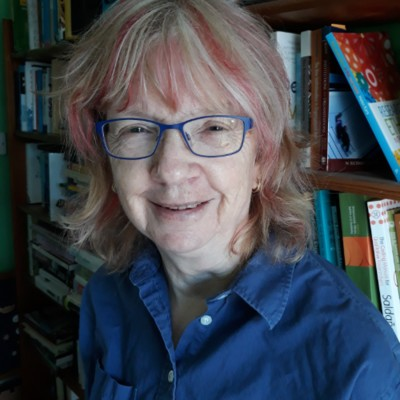
Linda Baines is an independent scholar, and a visiting academic at the University of Southampton, where she completed her PhD in 2016. She is President of the National Coalition of Independent Scholars – NCIS – ncis.org), a US based non-profit which has a global membership. Her research interests include sustainability, women’s lived experience, and third sector governance. In a previous life, Linda worked as a senior manager, most recently in the research councils. She has extensive experience of commercial management, knowledge exchange / knowledge transfer preparing and negotiating contracts, procurement, and governance. She is an experienced Chair and trustee of third sector organisations.
Bethlehem Gebru
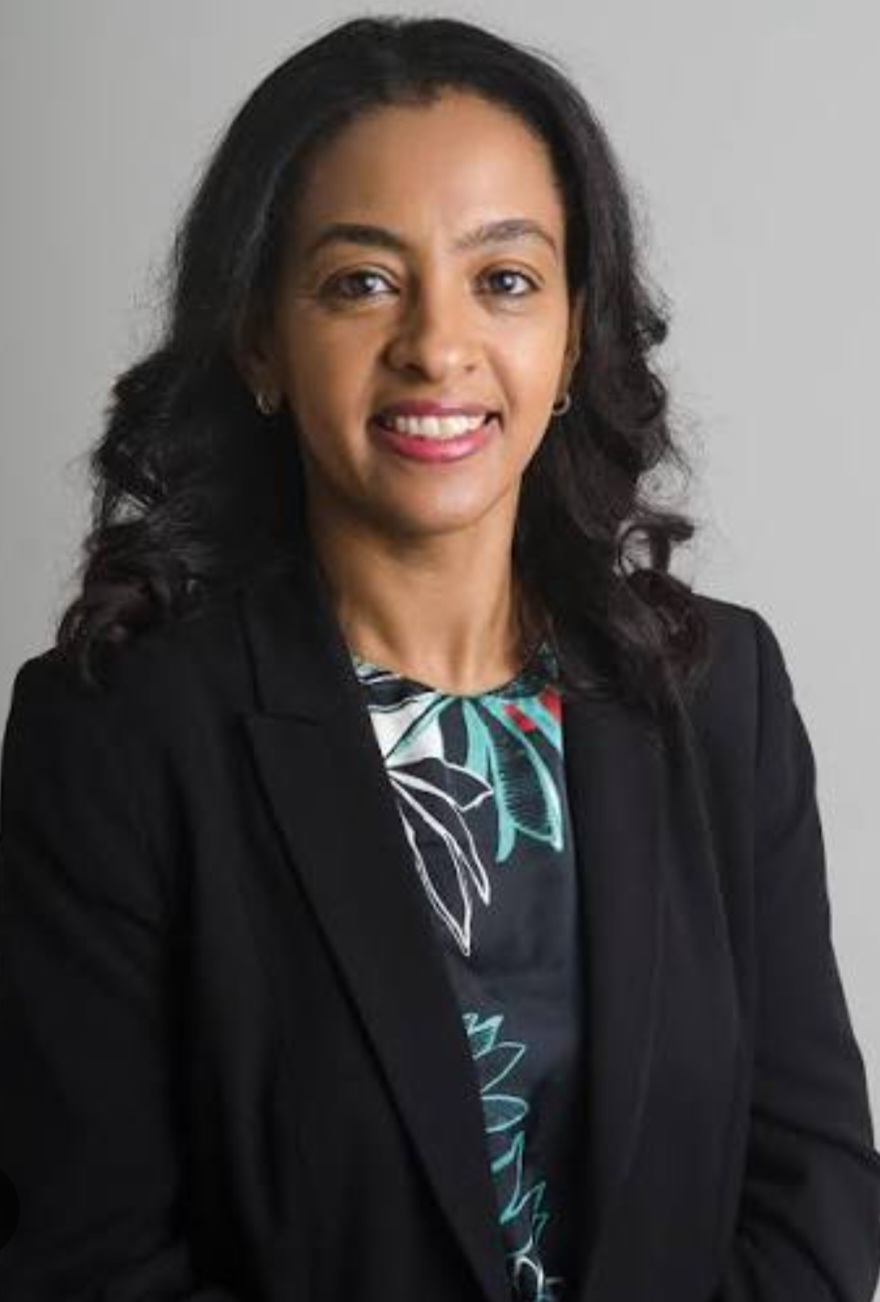
Bethlehem is a qualitative researcher with a deep interest in research ethics and in how research practices affect marginalised people and communities. She completed her PhD at the Department of Psychology, the University of Bath. She has BA degree in History and MA in Social Anthropology from Addis Ababa University.
Caitjan Gainty
More information coming soon...
Clara Calia
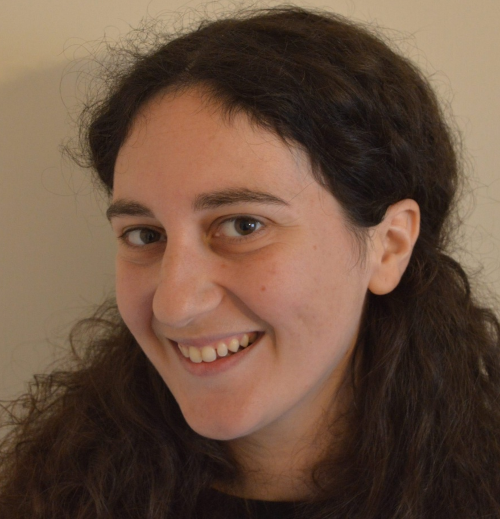
Clara is a researcher and clinician specialising in ethics and integrity, ensuring ethical considerations are embedded in research. At the University of Edinburgh, she has led initiatives on global research ethics, safeguarding, and training. She co-developed the University’s ethics system and the Ethics Toolkit, a resource for ethical reflection in global research and clinical practice developed with 400+ researchers across 42 countries. Externally, she contributes to CARA and the Childlight Research project, developing ethics training and supporting at-risk academics globally.
Courtney Lazore
More information coming soon...
Diarmuid Denneny
More information coming soon...
Emily Ahmed
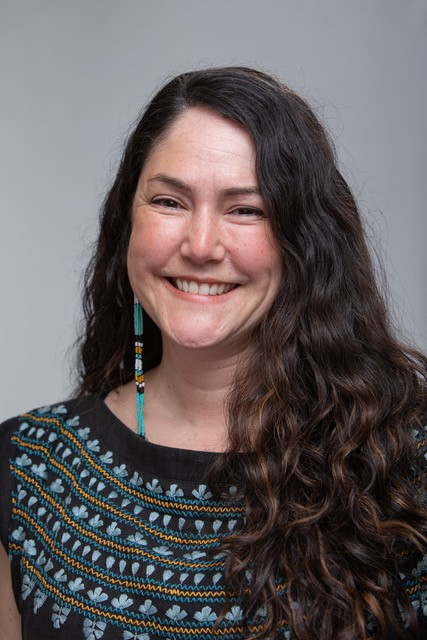
Emily Ahmed is a qualitative researcher, public engagement facilitator, community worker, and visual artist specialising in creative and participatory research methods. With over 25 years of experience across academia, the charity sector, NHS, and local authorities, she brings expertise in co-production, patient and public involvement, and ethical research practice. Currently completing a PhD in Health Sciences at Warwick University, her research explores power dynamics in UK health research co-production. Passionate about equity, accessibility, and ethical research beyond academia, Emily serves on ethics boards to promote inclusive, community-driven approaches to research governance and ethical decision-making.
Emily Bradfield

Dr Emily Bradfield is a dynamic Practitioner Researcher and Consultant working at the intersection of arts, health, and creativity. With a PhD in Creative Ageing from the University of Derby (UK) and an MSc in Cultural Events Management from De Montfort University (UK), she champions inclusive, ethical practice through creative methods. Emily is Founder and Co-Chair of the British Society of Gerontology’s Creative Ageing Special Interest Group, where she leads fresh, innovative dialogues on the role of creativity in ageing.
Irsida Mehmeti
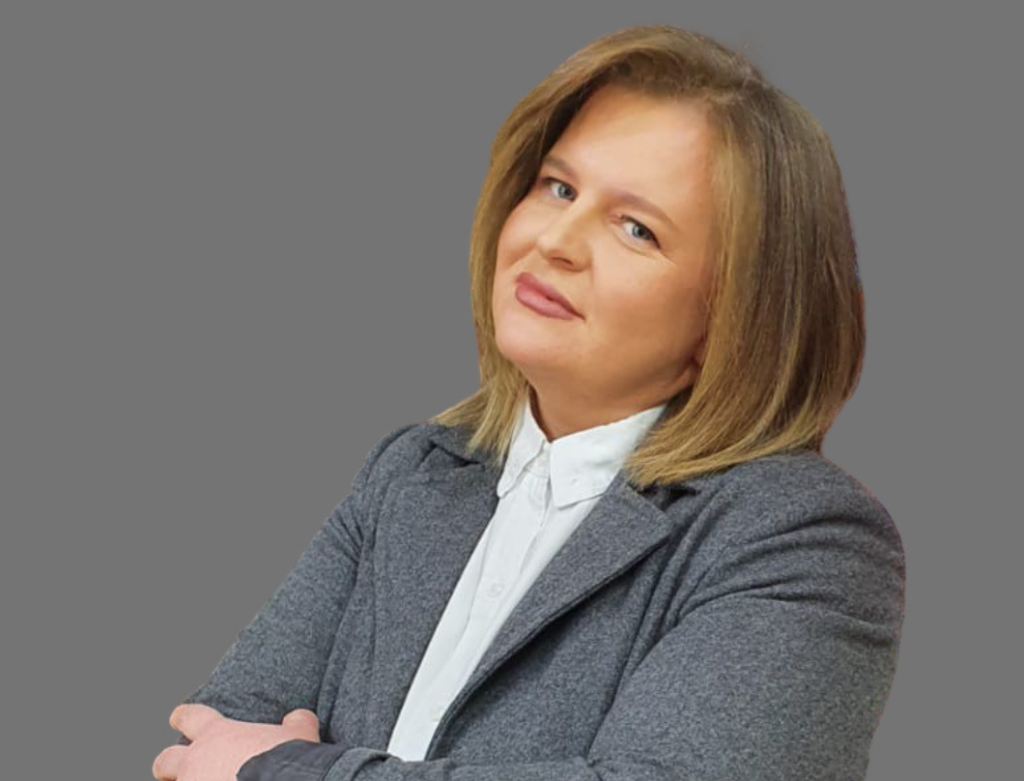
Dr. Mehmeti holds a Pharmacy Master’s Degree and a PhD in Public Health from the Catholic University Our Lady of Good Counsel, Tirana, Albania, and she has been affiliated with its Faculty of Pharmacy and the NATO-funded Virology Laboratory since 2015. She teaches Pharmacology and Biochemistry & Nutrition Science. In addition, she is a coordinator of Doctoral Studies in Public Health. Dr.Mehmeti has co-authored ~30 scientific research articles, contributes to Expert Review of Vaccines as Social Media Editor, and is a member of the International Association of Professional Writers and Editors, the European Open Science Cloud, and others.
Jacob Greaves
More information coming soon...
Janna Visser
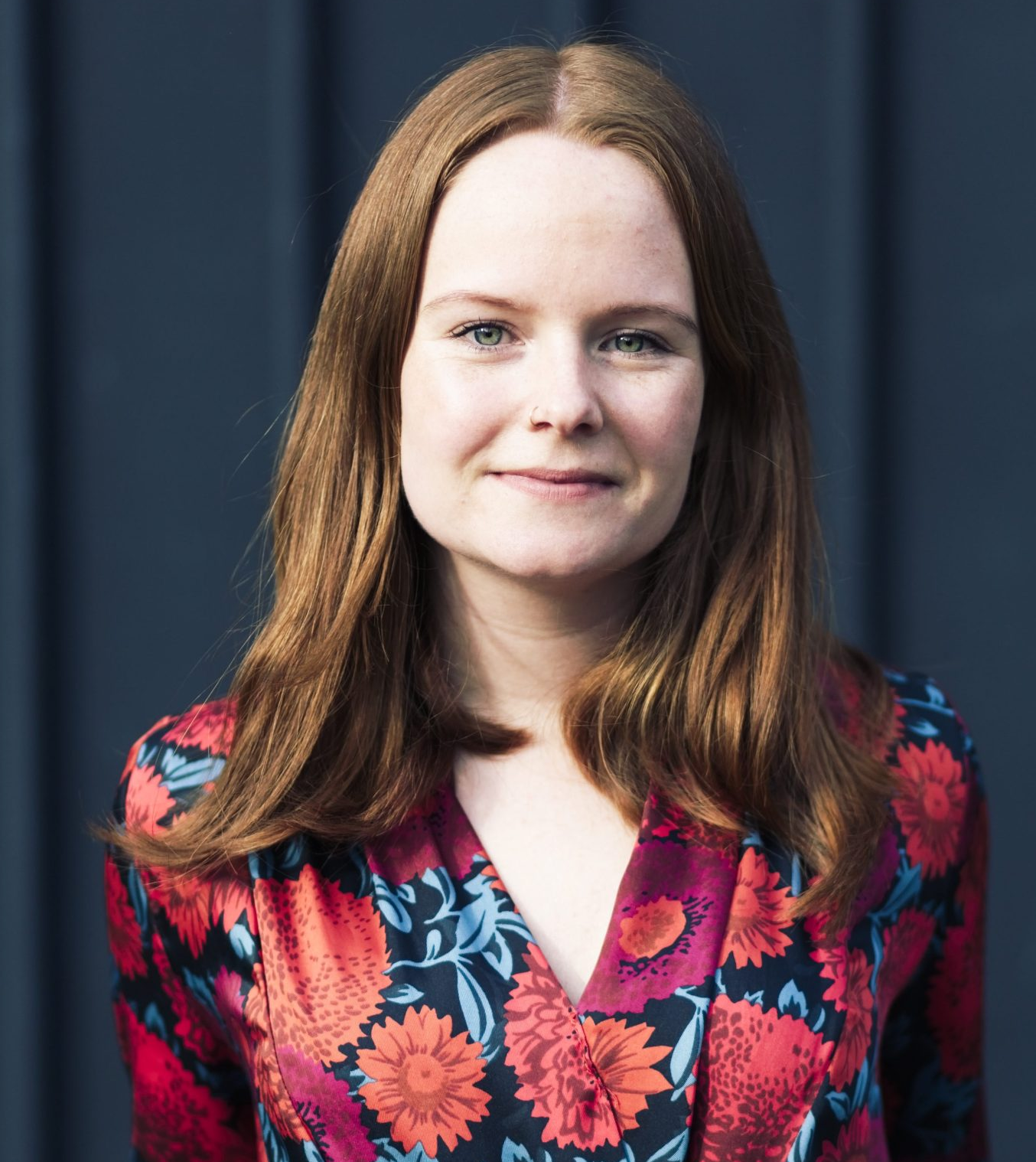
Janna Visser is a feminist researcher with a Master’s in Gender Studies and Public Administration. With over eight years of research experience in the international civil society sector and academia, her work centres on social justice, gender inclusion, and power dynamics. Janna is committed to value-driven research practices, emphasising ethics, positionality, and reflexivity as core elements of her approach to research.
Josephine Gabi

Dr Josephine Gabi, PhD (She/Her/Hers) is an Associate Professor of Education at Manchester Metropolitan University, a Senior Advisor of the UK Advising and Tutoring (UKAT) and a Senior Fellow of the Higher Education Academy (AdvanceHE). Grounded in Black feminist thought, antiracist, and anti-colonial praxis, Josephine’s scholarly pursuits troubles (dis)embodied research ethics and practice in higher education whilst undoing forms of coloniality in relational encounters. Josephine embraces solidarity as a tool of resistance to the matrix of domination as a critical orientation towards liberated futures. Her research interests are in post-qualitative methodologies and ethics as a response-ability that underscores the inseparability of ontology, epistemology, and ethics. Her theoretical interests coalesce around Black feminist new materialism and posthumanism in research, pedagogy and living.
Julie Vargo
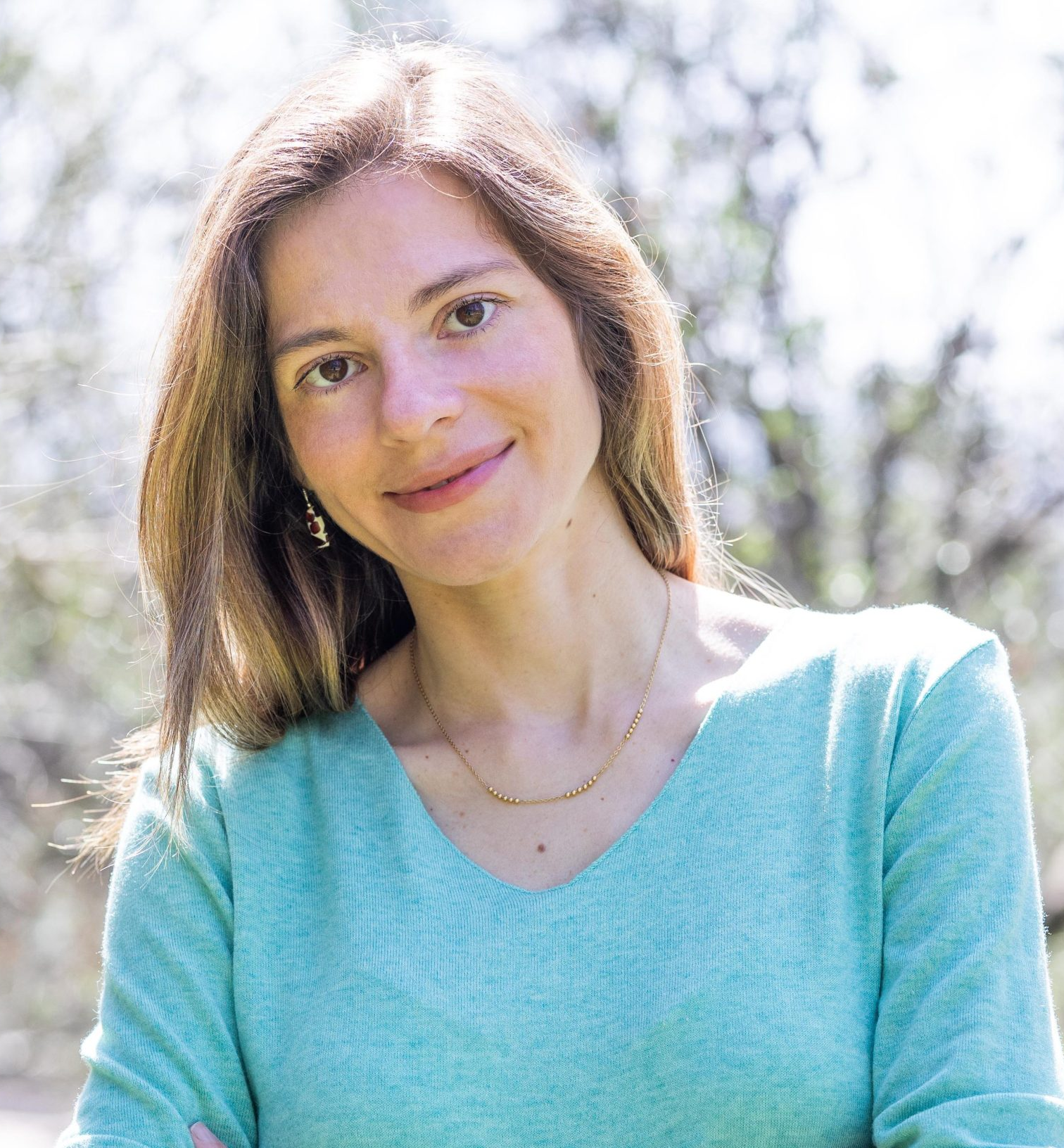
Julie studied Clinical and Occupational Psychology at Sapienza University of Rome and was later invited at Kingston University London to conduct a PhD exploring contemporary psychoactive substance use. She is interested in research that combines quantitative and qualitative enquiry to explore individual and social processes. She also does work on research reliability issues, such as conducting replicability investigations. Her work experience in different academic settings has provided her broad interdisciplinary understanding and research flexibility but also allowed her to understand the systemic and macro-structural issues that are negatively affecting scientific discovery. She sees a solution to these endemic issues in the structural reinforcement of transparent research processes, and in persuading higher education institutions to give increased value to the aspirations and drive of early-career researchers.
Keerty Nakray
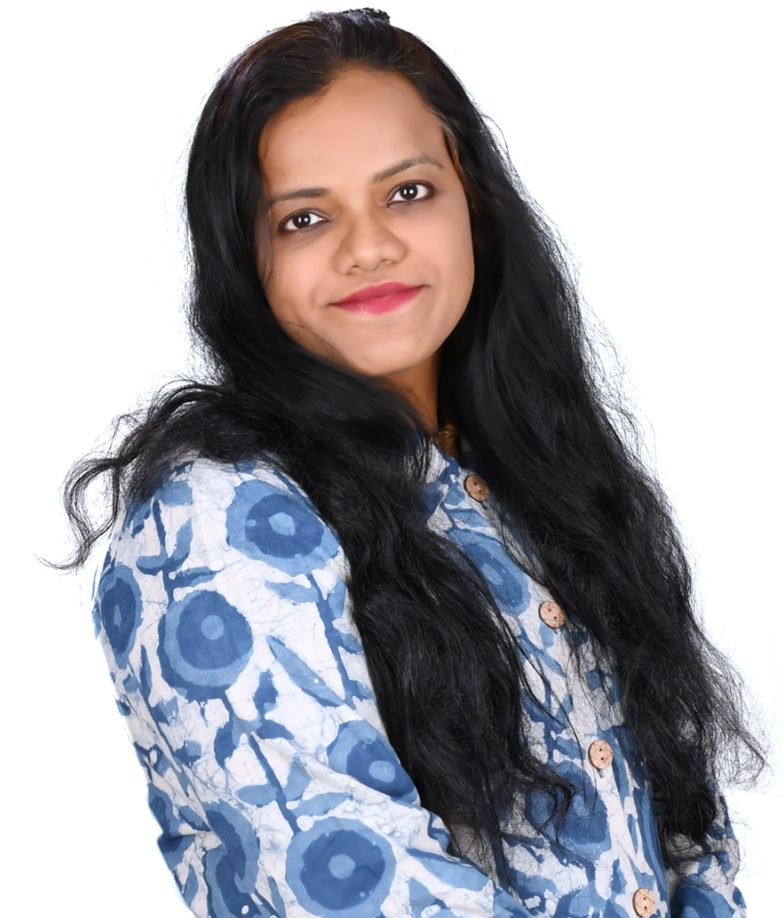
Dr Keerty Nakray founded the Organisation for Research and Education on Social Policy (ORESP), a research, consulting and training firm focusing on the achievement of the Sustainable Development Goals 2023. She served as the Professor of Sociology at Jindal Global Law School and Adjunct Faculty member at the Centre for Ethics in the Department of Forensic Medicine and Toxicology at Yenepoya (Deemed to be University) in Mangalore. She specialises in sustainable development goals (SDGs), Environment, Social Governance, Diversity, Equality and Inclusion, Comparative social policies, gender and social policy, and children and disability. She has extensive expertise in Evidence-Based Research and Feminist approaches to Preventing gender-based violence and Public Health. She has experience in reaching and working with hard-to-reach groups (survivors of violence and abuse, child brides, impoverished populations) using mixed methods, quantitative surveys, and participatory community/action research) and feminist approaches. She has undertaken research projects on Gender Budgets, Digital Intimate Partner Violence and Adverse Childhood Experiences in Peru and India.
Lily Owens-Crossman
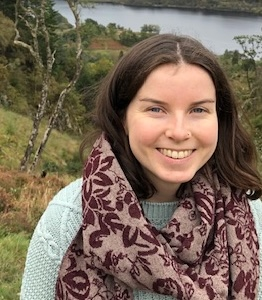
Lily is a researcher who is passionate about ethical, non-extractive research approaches which seek to produce meaningful outcomes. She currently works as a Senior Researcher at The Young Foundation where she delivers a range of community-based and participatory research projects across the UK. She previously worked for Barnardo's where she coordinated the Barnardo’s Research Ethics Committee. She has an MRes in Global Migrations and Social Justice from the University of Glasgow. Her expertise and interests include research with refugees and migrants, children and young people, and participatory methods.
Lucy Robinson
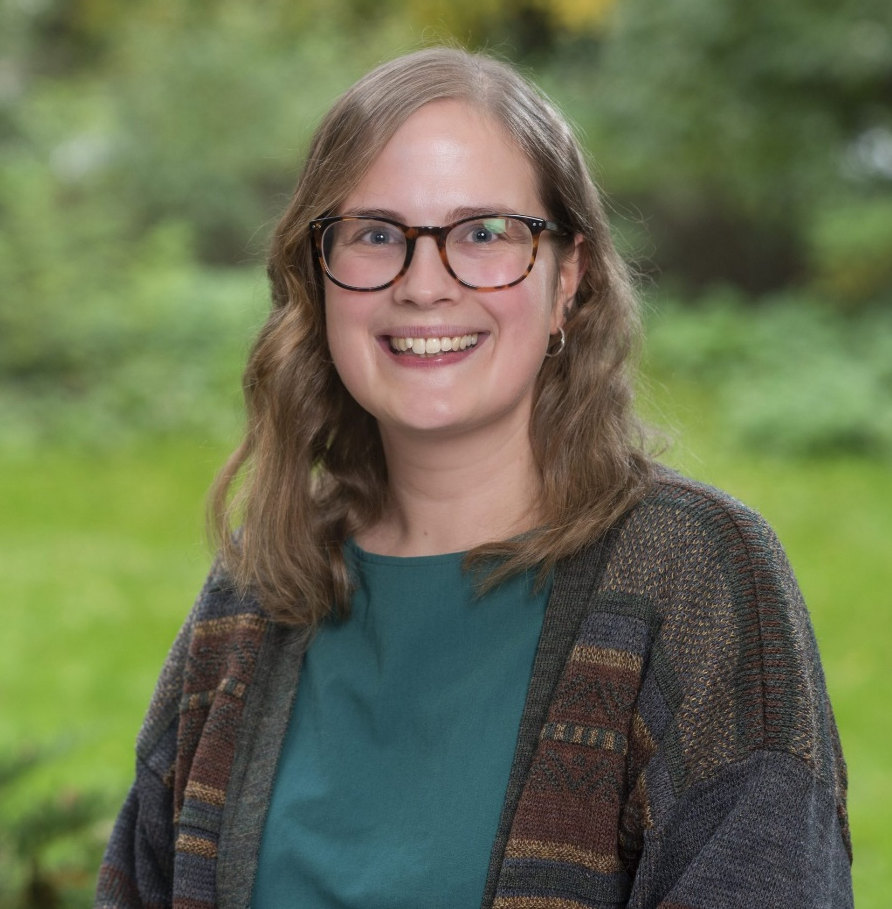
Dr Lucy Robinson is currently undertaking an Economic and Social Research Council (ESRC)-funded Postdoctoral Fellowship at Cardiff University. Prior to this, Lucy completed her DPhil at the Department of Education, University of Oxford, also funded by the ESRC. Her doctoral research involved working creatively with groups of service children to explore how military life shapes their identity and school experiences. As part of her doctoral research, Lucy created the 'Research Ethics Tree'; an interactive tool designed to support the ethical participation of children and young people in research.
Malika Belmissoum
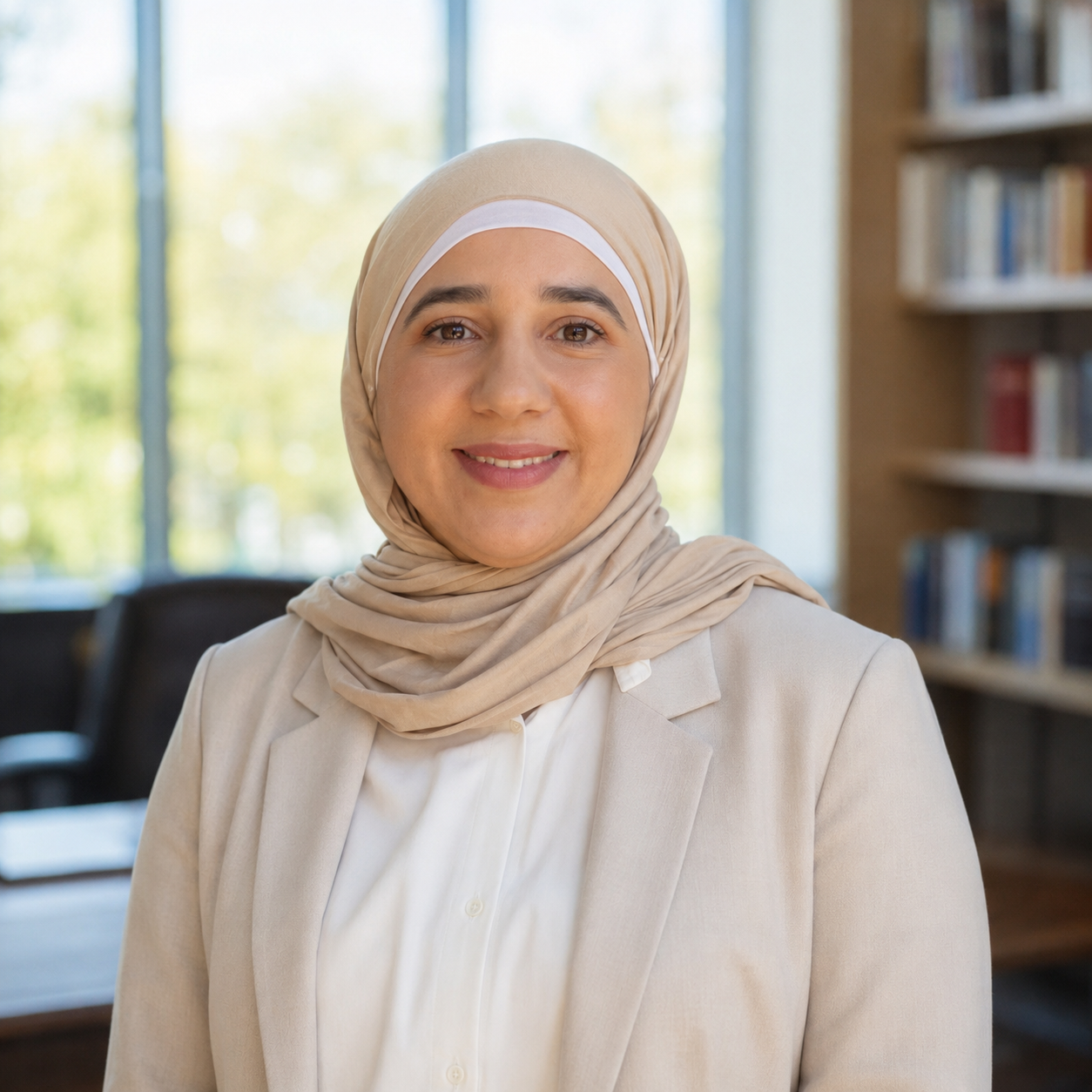
Dr Malika holds a PhD in Educational Psychology from Nottingham Trent University. Her doctoral research focused on research self-efficacy and researcher development. Her broader interests include educational psychology, social research, qualitative methodologies, and learning and development. Malika has experience conducting mixed-methods research in higher education and has a particular interest in understanding the factors that influence learning, motivation, and professional growth. She is also interested in promoting high-quality and ethical research practice.
Miguel Alejandro Saquimux Contreras
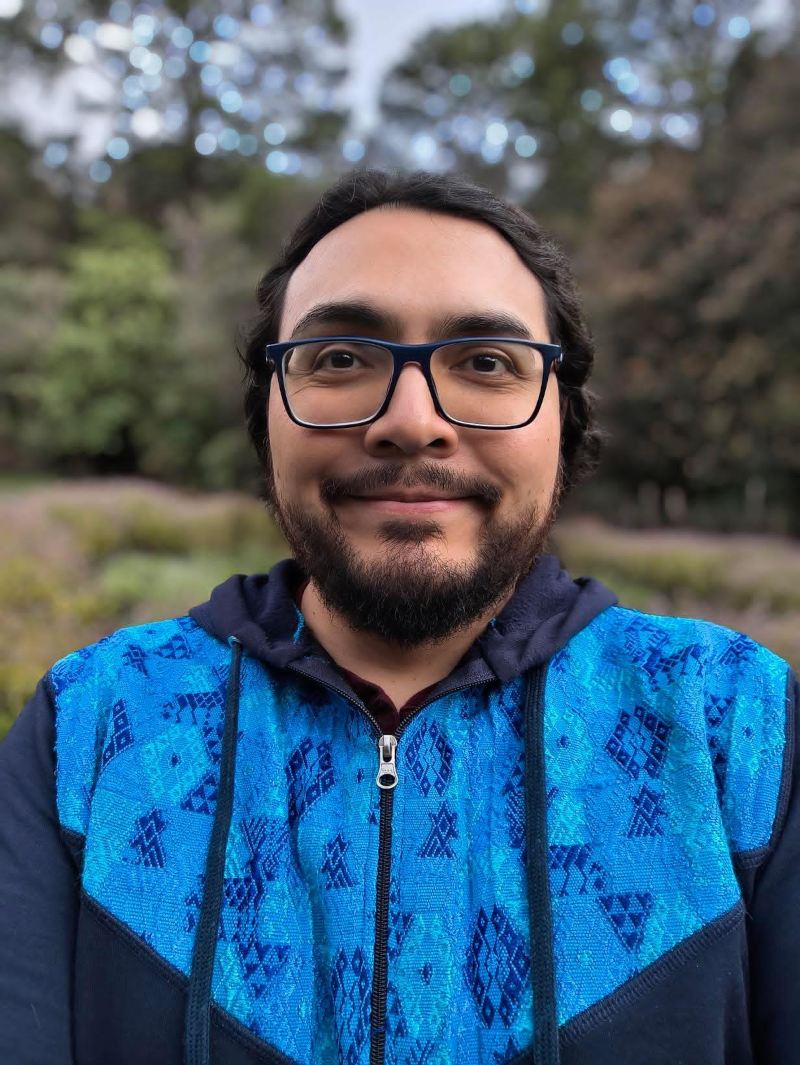
Miguel Alejandro holds a PhD in Health Sciences from the University of Campinas, supported by WHO and CAPES scholarships. His doctoral research examined perceptions of body weight and corporealities in relation to sexual and reproductive rights. His broader work addresses the criminalisation of land and water defenders, gender-based violence, and racism. He also holds a master’s in Governance and Development from the University of Antwerp, with expertise in weight stigma, structural violence, and participatory methods for collective impact.
Nieky van Veggel
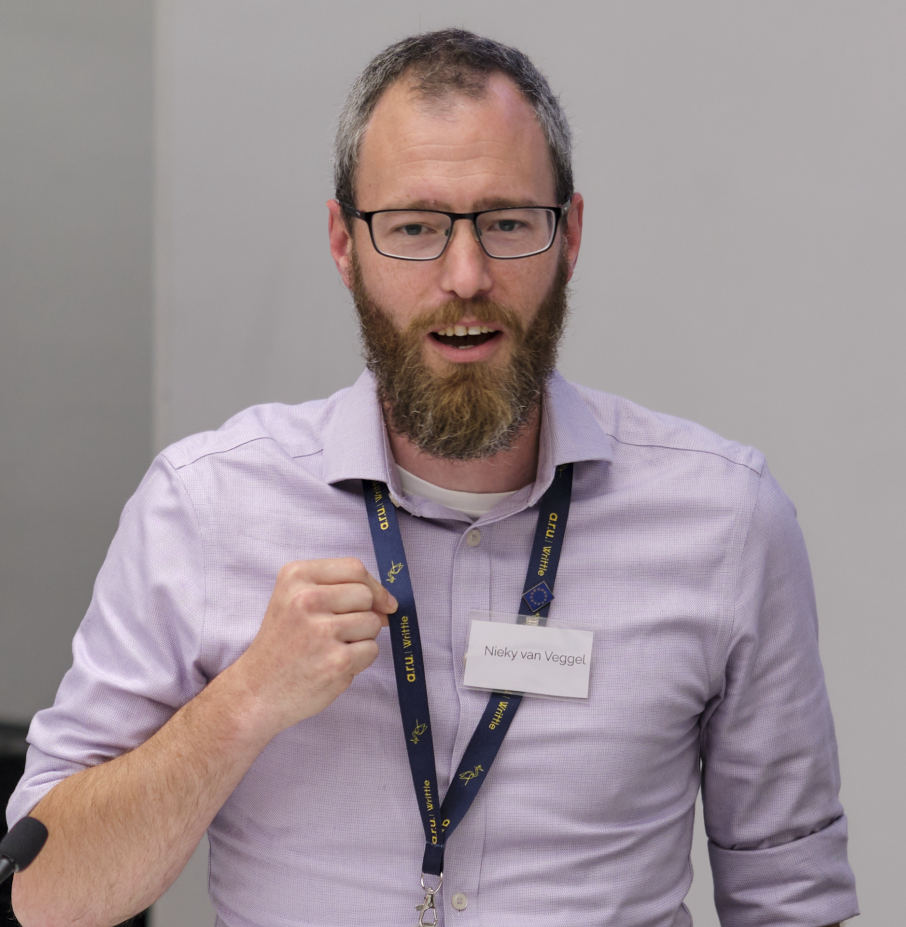
Nieky is an applied social scientist with expertise in qualitative and quantitative research methods. He works at Anglia Ruskin University as a senior research fellow and is an experienced research ethics and animal welfare committee chair and panel member.
Roshni Modhvadia
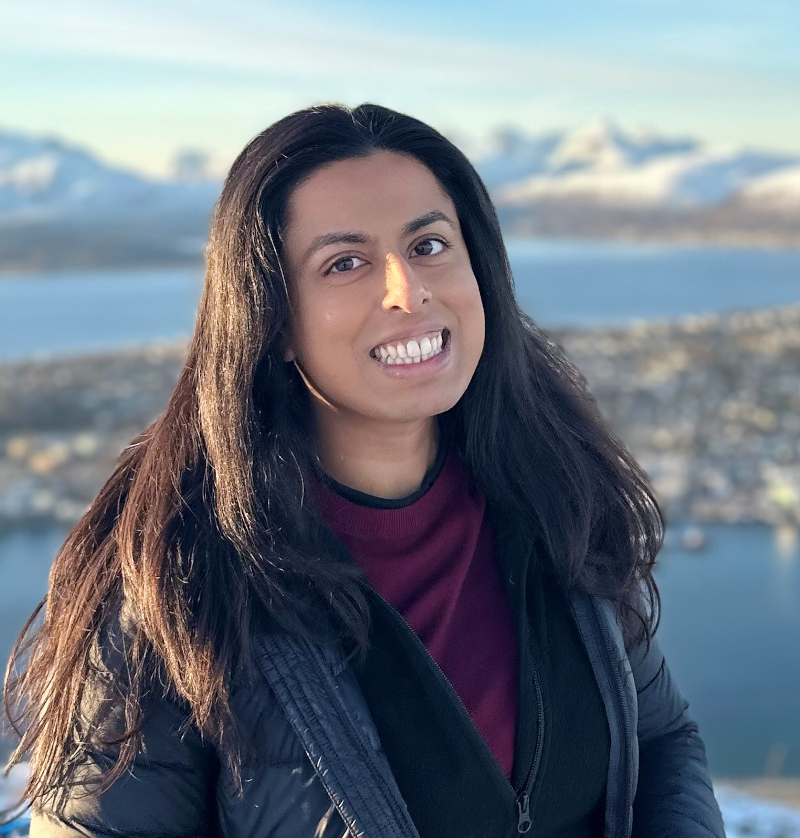
Roshni Modhvadia is a Senior Researcher at the Ada Lovelace Institute based in London, UK. She has expertise in quantitative methods and is interested in how challenges around power and representation play out in quantitative research from design through to dissemination. Her research has explored public attitudes to AI, models for data stewardship, and what we can learn from survey data on young people's digital lives. She holds an MPhil in Psychology & Education from the University of Cambridge.
Shehr-Bano Zaidi
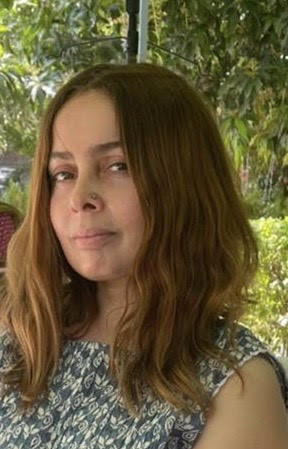
Shehr Bano Zaidi (PhD) is a permanent faculty member at the Department of Graduate Studies, Faculty of Arts and Humanities, National University of Modern Languages, Islamabad, Pakistan. Some areas that she works in are qualitative research methodology, translation studies, and heritage studies. She is interested in how the concept and practice of ethics intersect with morality, politics, ideology, and social justice.
Steyn Crous
Steyn is a research and evaluation specialist with over 12 years' experience leading research, evaluation, and learning programmes across the public and voluntary sectors. He has a MSc in Psychological Research Methods and extensive expertise in research ethics and governance, having chaired Barnardo's Research Ethics Committee and served as a Research Ethics Committee Member for the NHS Health Research Authority. He has particular expertise in conducting and overseeing research relating to physical and mental health and wellbeing, and also has a keen interest in research involving children and young people.
Yesmin Begum
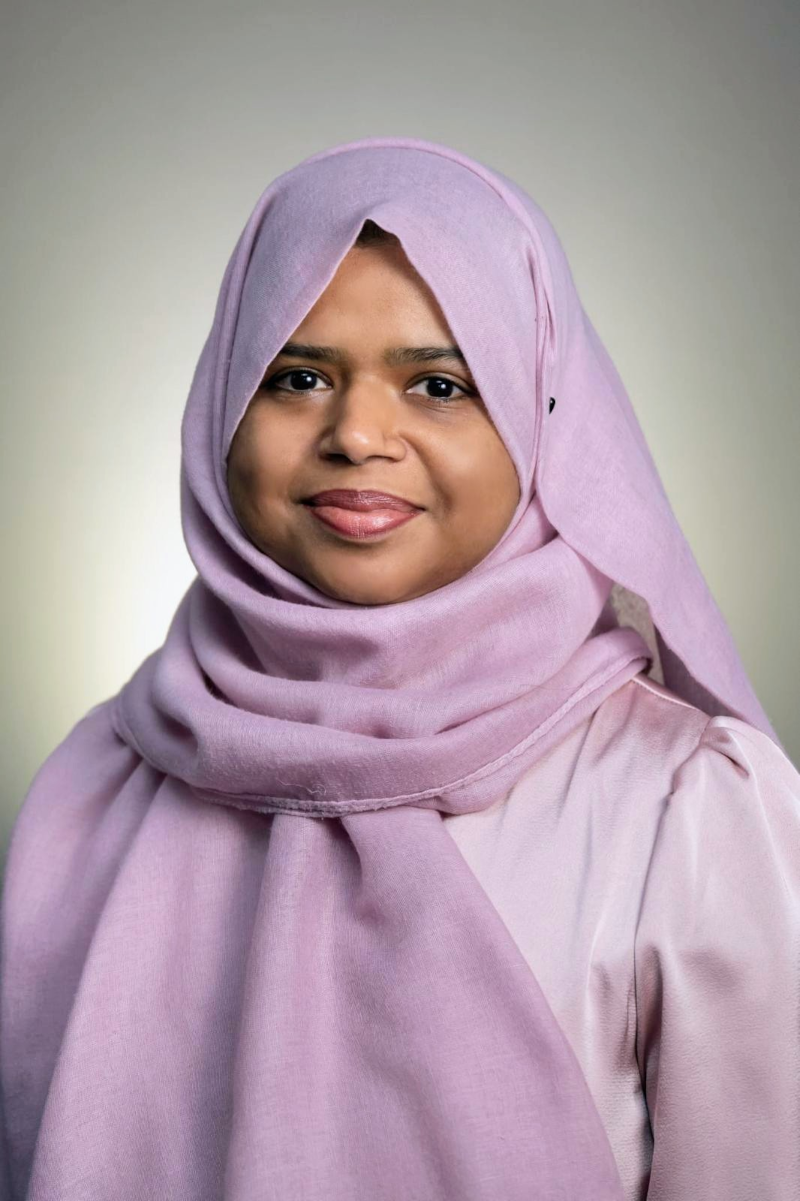
Yesmin Begum is a local authority Community Navigator, and public health practitioner with experience in health improvement, community engagement, and addressing health inequalities. She holds a BA (Hons) in Global Business Management and professional qualifications in Health Improvement (RSPH), Community Leadership (Newman Uni), and Good Clinical Practice (NIHR).
Yesmin was a former Public and Patient Involvement Representative with the NIHR and has contributed to a range of national and local health and research programmes. She also sits on the IRLSS NHS England Board and is a Tower Hamlets NHS ELFT Governor, contributing to oversight, accountability, and patient voice. As an IREC member, she brings community focused perspectives to ethical review.